

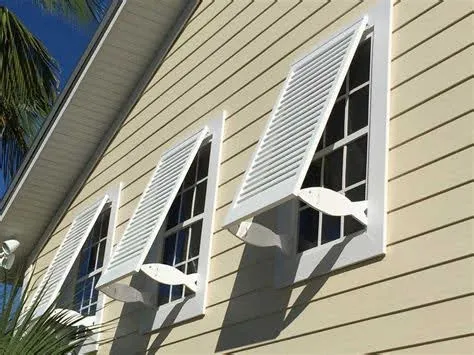
Some hurricane preparations still make sense when a storm is a few days away: moving loose outdoor items to a safe place, closing the house, and putting an already-selected protective system in place. Other decisions need the quiet weeks. A roof inspection, an insurance review, or protection fitted to a particular opening cannot be handled thoughtfully at the last minute.
That is the practical divide to keep in mind. Protect people first. Settle the questions that need an official answer, a professional assessment, or a product decision while there is time. Save the familiar closing and securing work for an approaching storm.
Put people first: Know when and where to leave
No improvement to a house takes priority over an evacuation order. Start with local emergency management: Confirm whether the home is in an evacuation zone, know the route you would use, and choose the local alert source you will follow. National guidance cannot make those property-specific decisions.
Then make the household part workable. Decide how family members will reconnect. Gather the supplies you may need. Learn how a hurricane watch differs from a warning. The National Weather Service hurricane-planning page is a useful starting point for those preparations. When local officials issue instructions, follow them.
Roof and attachments: schedule the slow work early
 If the roof’s condition is uncertain, arrange a qualified inspection before hurricane season becomes urgent. Ask what the inspection reveals about the covering and the rest of the roof system, and what belongs in the scope if repair or reroofing is planned.
The FORTIFIED program, which is part of the Insurance Institute for Business and Home Safety, highlights several subjects worth discussing: roof-deck attachment, ways to limit rain entry if the covering is lost, roof edges, and vents. Its reinforced-soffit item is marked for hurricane-prone areas only. Bring those topics to a qualified professional and follow the requirements that apply to the property and project.
Walk the perimeter with attached elements in mind, too. Porch roofs, patio covers, carports, and chimneys can present separate connection and maintenance questions. Visible deterioration, movement, or an uncertain history is a good reason to have them assessed.
Doors, windows, and shutters: begin with the opening
 Before shopping for a protective product, choose one opening and ask a simple question: What must this complete installed opening resist here? Bring its measurements, a photo of any label, and the available product information to a qualified installer or the local building department. Ask the installer to show how the proposed product and installation meet the requirement.
For the garage, locate the door’s label and installation records. The useful answer is specific to that door and home. For a window or glazed door, think about how protection will be used as well as how it is rated. Removable panels have to be stored, retrieved, and fitted to the correct openings; permanently installed hurricane shutters remain at the opening; impact-resistant glazing builds the impact feature into the glazing. Accessibility and the opening type belong in the choice.
The product in front of an opening and the building assembly behind it answer different questions. Federal exterior-door guidance treats a shutter or panel separately from the wind-pressure performance the underlying door assembly must provide. Federal window guidance explains the testing, labeling, anchorage, and installation considerations for qualified glazing and protective systems.
That distinction prevents two common misunderstandings. An operable shutter chosen for architectural appearance needs its own supporting records before it can be treated as hurricane protection. And “storm door” describes a product category; hurricane performance has to be established for the complete installed doorway.
Rain and debris: walk the perimeter with two jobs in mind
On the first trip around the house, follow the route rain should take. Clear the gutters and downspouts that carry water away from the roofline, and address exterior gaps identified around the building. The IBHS Hurricane Ready overview includes both steps in its homeowner guidance.
On the second trip, look for what wind could move. Trim branches that can reach the building. Choose a safe place for loose furniture, planters, tools, and decorations, and decide how they will be moved or secured before the weather worsens.
The National Weather Service wind-mitigation guidance makes another useful distinction: Tape does not protect windows from wind. Select and fit any window-protection system while conditions are calm.
Flooding: Read the policy before you need it
Bring the actual policy to the insurance conversation. Ask: Does it cover flood damage? Are the building and belongings both insured? What deductible would apply to each part of a claim? Write down the answers and where they appear in the documents.
The National Flood Insurance Program warns that most homeowners and renters insurance does not cover flood damage. NFIP offers building and contents protection as separate coverages. Your policy documents control coverage; ask an insurance professional to help explain how they apply.
As a storm approaches: close and secure
When a storm is near, follow local alerts and evacuation instructions. If official guidance and conditions allow you to remain, move or secure loose outdoor items in the safe place chosen earlier, close windows and doors, close the garage door, and deploy the opening-protection system according to its instructions.
The calendar can stay simple: inspect and choose protection early, use clear weather for maintenance, and reserve the final approach for closing and securing. The staged homeowner guidance from IBHS offers a more detailed action list for planning that work.
A sound plan does not promise a damage-free home. It gives every important decision enough time: evacuation planning, structural assessment, opening protection, routine upkeep, flood coverage, and final securing.
Talk with Cobblestone
First settle any required hurricane protection with your local building department or a qualified installer. Then browse Cobblestone resources for shutters and doors chosen for the architectural character and everyday function that suit your home.